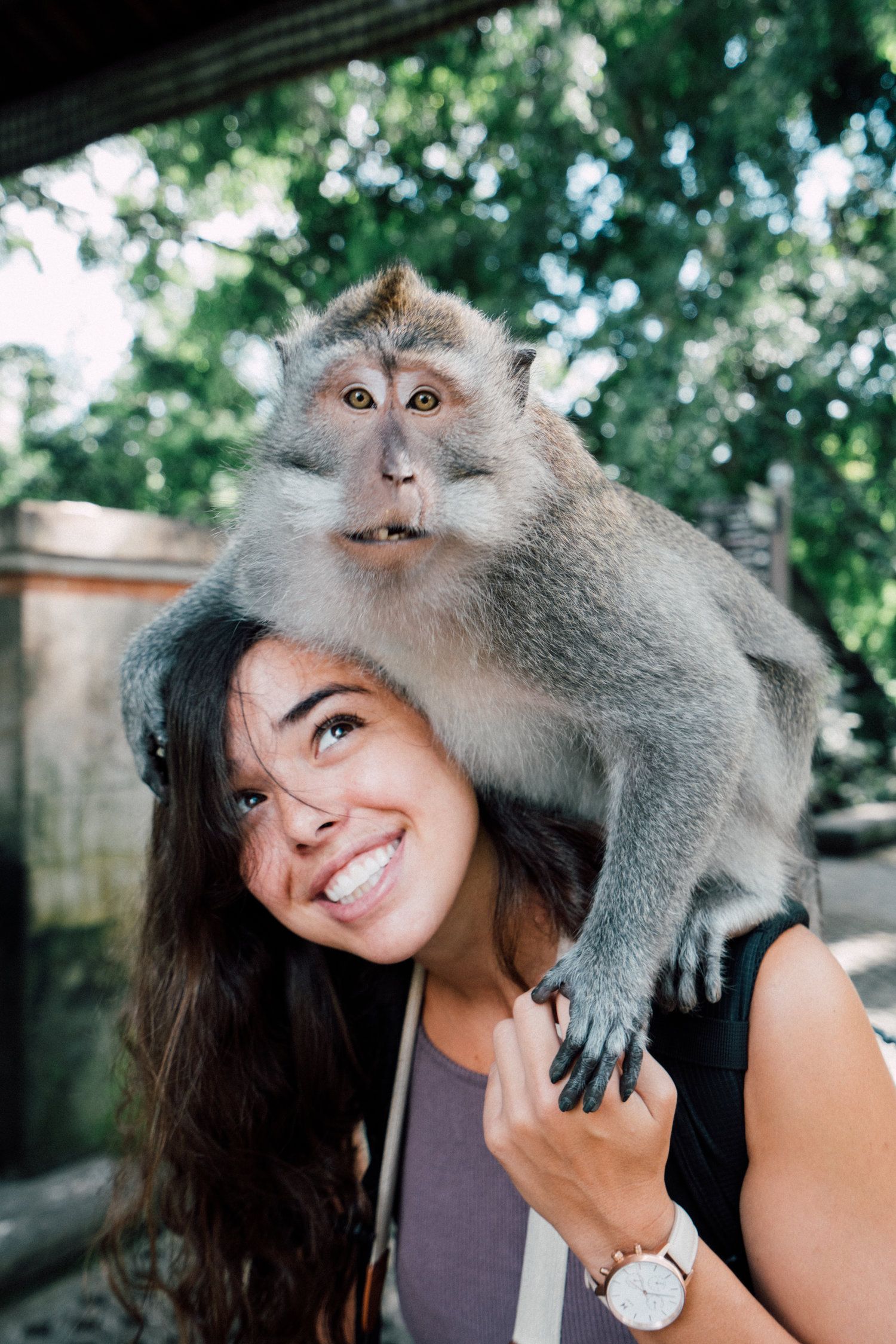
Great monkeys have a sophisticated understanding of the value of the objects they fly
Macaques has preferences for gifts given them in return value objects
Mandiri employs more than 100 journalists from around the world to give you news that you can trust. To support a truly independent journalism, please consider contributing or subscribing.
Long-tailed jerseys living around the Uluwatu Temple in Indonesia deliberately stole the most valuable articles of tourists to exchange with better foods, search shows.
The researchers found active monkeys have a sophisticated knowledge of the most valuable articles and tend to be their best returns when they are loaded with food.
The University of Lethbridge team in Canada spent 273 days at the Temple in Bali and recorded more than 2,000 interactions between monkeys and tourists.
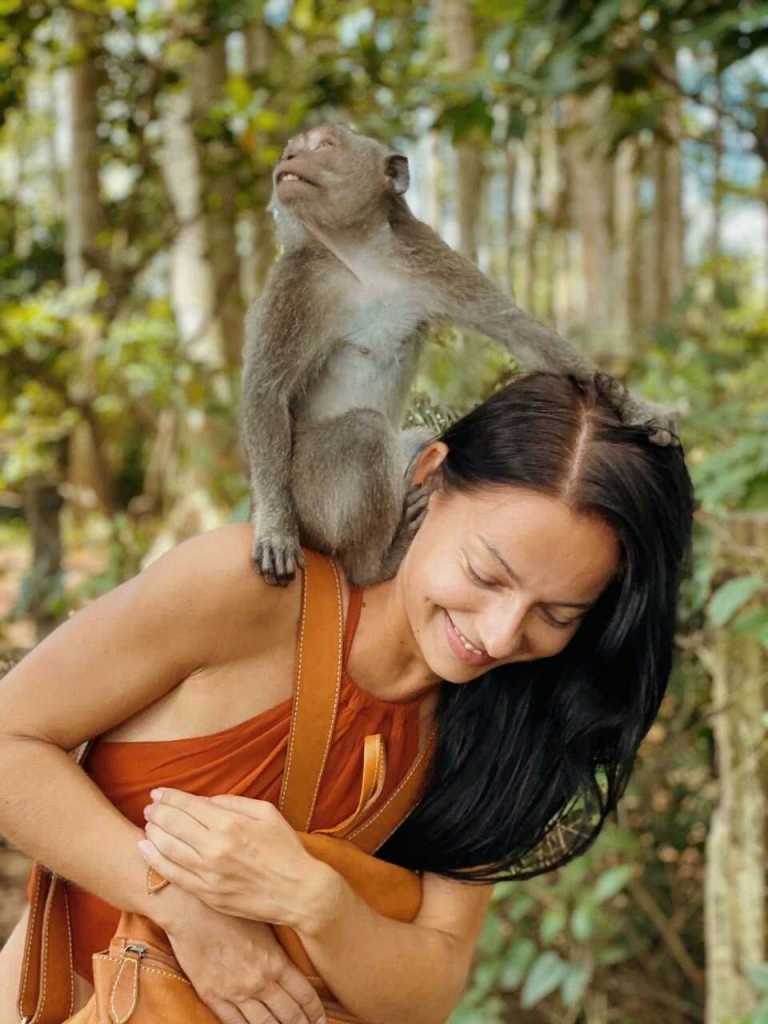
They set the relative values of food rewards for monkeys, observing their preferences between three prizes offered by tourist temple staff who want their property to be returned: Crus eggs, fruit bags and crackers. They find that individual monkeys have different preferences between rewards.
Since their video sequence, they have observed that monkeys had a sophisticated understanding of the value of the object they stole and often survived for more important or preferred gifts while flying items such as mobile phones. Portfolios and cameras.
Although previous laboratory experiments have shown vessels capable of non-food items such as plastic containers and can learn with the experience that such chips can be exchanged for food, this study has seen sines. Free itinerant around the Hindu Temple.
 Eat Everytime