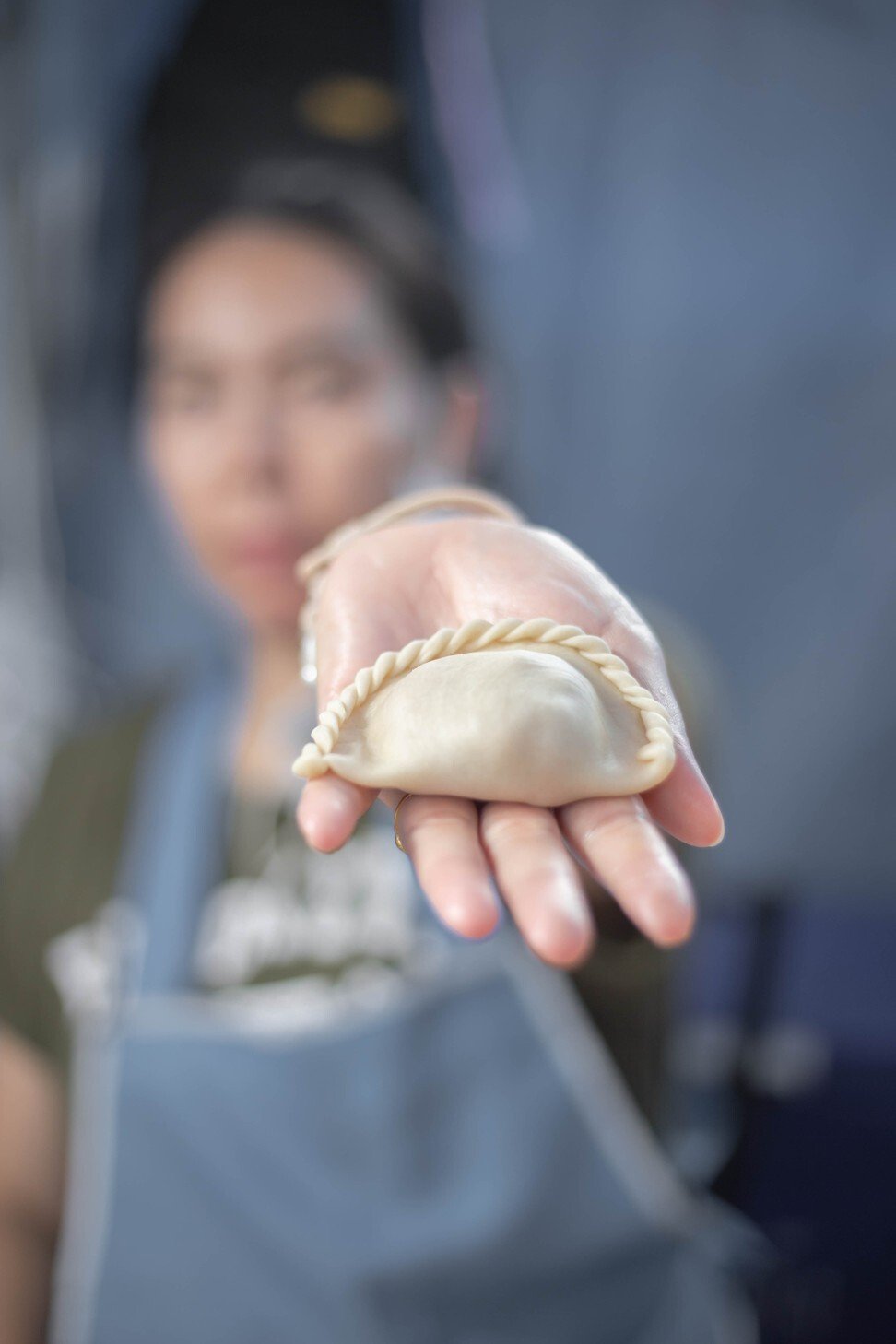
Portuguese spice buyers brought the empada – a form of pie – to Southeast Asia withinside the 1500sIt unfold alongside the buying and selling routes, and maximum nations withinside the vicinity now have their personal model, with names like karipap, epok-epok, pastel, panada and banh xep
Sweet or savoury, loved as appetisers or snacks, tiny puffs with a lot of fillings are a delicacy throughout Southeast Asia. From Malaysia and Singapore to Indonesia, Thailand and Vietnam, numerous sorts of puff are primarily based totally on a famous colonial import.
Curry puffs – referred to as epok-epok and karipap in Singapore and Malaysia and a street-meals staple – incorporate curried potato, hen and different elements filled in fried or baked pastry.
British colonialists in Asia got here up with the call “curry puff”, however the dough wallet were inspired with the aid of using the colonial cuisines of numerous European international locations down the centuries.
The puff’s maximum essential ancestor is the Portuguese empada, a meat, fish or vegetable pie.
Portuguese buyers and adventurers had been the primary Europeans to start colonising Asia withinside the early 1500s, constructing settlements to govern the beneficial spice exchange in Goa, India, Malacca in Malaya, and Macau close to Hong Kong. They circuitously inspired the ingesting conduct of different Asian nations buying and selling with Portuguese colonies. Travelling on numerous exchange routes, the puff have become a trans-Asian snack.

“There had been smaller Portuguese settlements, now no longer colonies, in port towns all alongside the Asian buying and selling routes, as a long way east as Japan,” says meals historian Janet Boileau, an professional on Portuguese-Asian delicacies and culture. “So you locate maximum impact withinside the former colonies, however it unfold from there to the opposite locations alongside the buying and selling routes. It is honest to mention the curry puff is a image and historical past of the Portuguese presence in Asia.”
Why conventional Macanese recipes are disappearing
20 Oct 2020
In her doctoral paper “A Culinary History of the Portuguese Eurasians: the origins of Luso-Asian delicacies withinside the sixteenth and seventeenth centuries”, Boileau explores the historical past of the Portuguese-Asian network after the autumn of Portugal’s empire, and the way its individuals preserved a culinary legacy in lots of Asian nations.
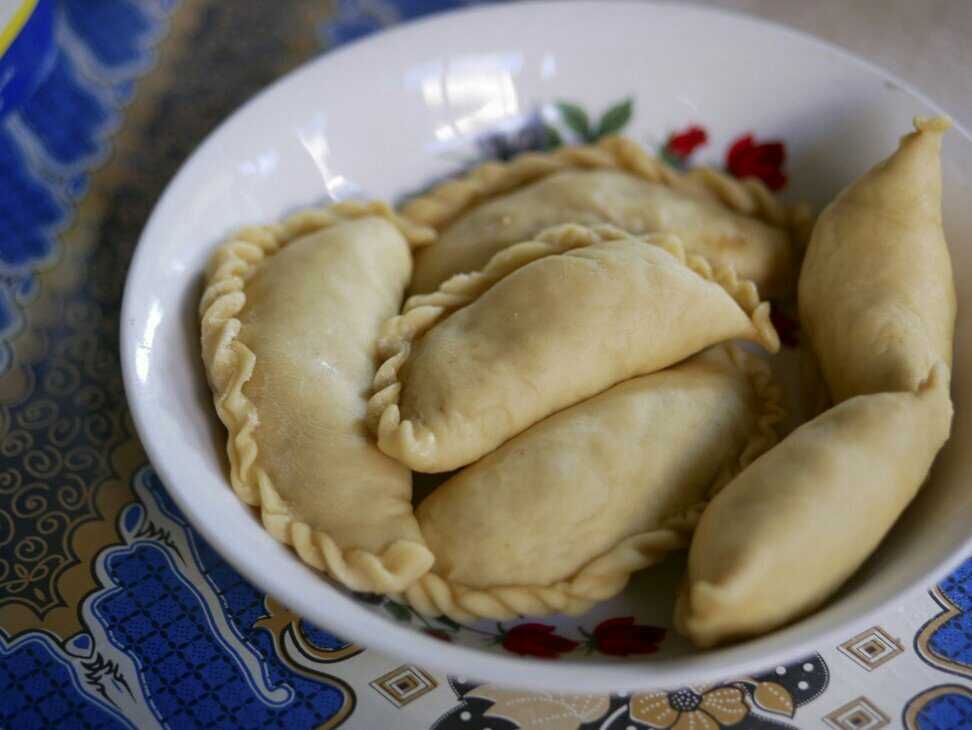
Epok-epok and comparable turnovers, referred to as pastel in Indonesia, empadas in Macau and empadinhas in Goa, are probably all descendants of the Iberian empada. The latter is likewise the call of a Macanese dish historically served in Macau at Christmas. It’s an exotic, barely candy fish pie in a wealthy pastry crust that could now no longer be out of vicinity at a medieval Portuguese banquet, Boileau factors out.
When the Portuguese had been supplanted in Asia with the aid of using the Dutch and English, curry puffs evolved, taking up factors of different European cuisines and with neighborhood twists. Asian nations in which empadas had taken keep gave start to their personal versions, which survived Dutch rule and mutated at some stage in the British colonial era.
“The simple shape of the filling encased in dough is the Portuguese version that arrived withinside the early 1500s, however the empada modified through the years because the end result of different cultural impacts,” Boileau says. “British impact is lots later, withinside the nineteenth and twentieth centuries, and that is probably whilst the trade to a shortcrust pastry made with butter took vicinity.”
The authentic Portuguese empadas had been massive pies baked in communal ovens that by no means were given cold, she adds, so the transition to small baked or fried turnovers is a mirrored image of the exclusive cooking techniques used withinside the Asian nations in which the Portuguese settled. The massive monasteries had huge ovens, however character families both cooked with the aid of using frying or created an oven the usage of a field that might take a seat down over coals. So the pastries had to be smaller and feature shorter cooking instances to preserve fuel.
The maximum essential element the Portuguese brought to Southeast Asia become wheat, and with the aid of using extension wheat-primarily based totally foods, unknown to indigenous humans, not like the populations of India and China, who had lengthy cultivated each rice and wheat.
Many elements for Malaysian pastry puffs got here from the New World thru Portuguese buyers, consisting of potatoes, chillies and the candy potatoes now and again utilized in epok-epok. Chicken, potatoes, a hard-boiled egg, curry powder and sardines are ordinary puff fillings in Malaysia and Singapore. As the road meals fashion evolved, many modern stuffings flourished.
“A Singaporean curry puff, with a wealthy shortcrust pastry made with butter, is extra like a Cornish pasty than whatever Portuguese, and become maximum probably inspired with the aid of using the British presence in Singapore. The filling with coconut milk and curry powder indicates the impact of neighborhood elements and the exchange direction spices,” Boileau says.
Goa’s empadinha has a red meat filling, a legacy of the Catholic-Portuguese tradition.
Pedro Pombo, anthropologist and assistant professor withinside the branch of Portuguese and Lusophone Studies at Goa University, says the Portuguese took the puff to South America and elements of Africa, in addition to Asia, including that it’s far exciting to peer how sorts of meals and specific dishes have become such an essential a part of the identification of a few communities.
“In the case of Goa, as it could be the case for Malaysia,” he says, “it’s been a count number of differentiation and maintaining an identification and network exclusive from the encompassing ones.”
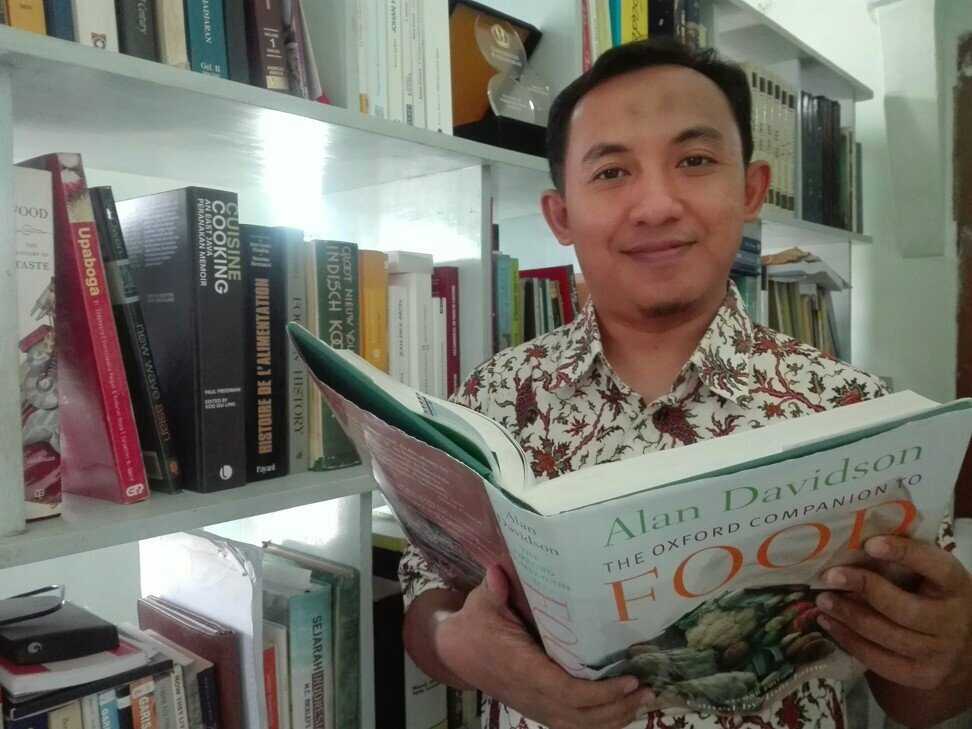
Puffs arrived in Indonesia with the Portuguese at the start of the 1600s however additionally via oblique Spanish impact, consistent with Fadly Rahman, a meals historian and a lecturer withinside the records and philology branch at Indonesia’s Padjadjaran University.
There are Indonesian versions: panada and pastel. Panada is a meals of the Manado humans in North Sulawesi, near the Philippines. “That is why this meals exists in North Sulawesi, as it become possibly additionally added with the aid of using Spaniards who, at some stage in colonial instances, executed missionary sports withinside the Philippines,” Fadly says.
Panada has a thick crust product of fried bread full of tuna and chilli. Pastels have a skinny crust, so they’re crunchier, and the filling is often a blend of diced potatoes, carrots, leeks, hen, garlic and white pepper, now and again with vermicelli. Another filling makes use of curried hen or potatoes with quail eggs.
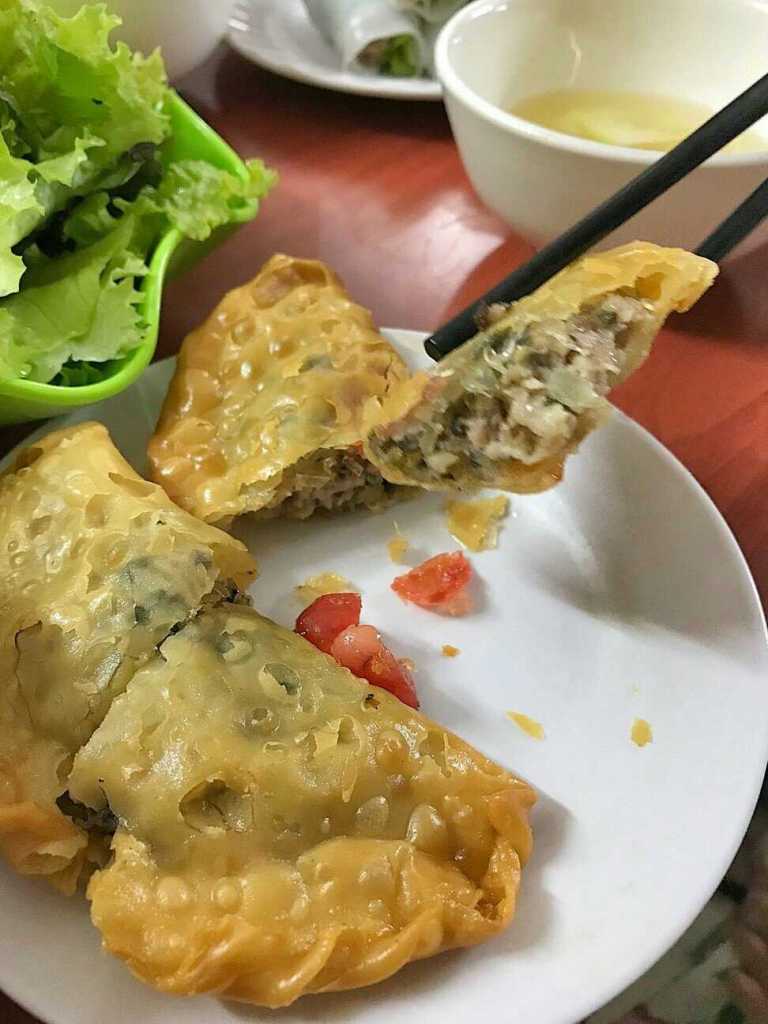
Vietnam, by no means a part of Portugal’s empire, is one of the “peripheral” Asian nations alongside the spice routes that assimilated Portuguese culinary impacts and combined them with indigenous tradition. A robust presence of Portuguese buyers and missionaries in Vietnam from as early because the past due sixteenth century should have brought the method of creating empadas, consistent with Linh Trinh, a Vietnamese culinary records doctoral scholar on the University of Michigan.
“The similarities among banh goi , banh xep , also called banh quai vac, meaning bronze cauldron handle cake] and Portuguese empadas are striking,” Linh says. “At the identical time, banh goi resembles a aggregate of the Chinese crispy wonton, Vietnamese nem [deep-fried spring roll], and the Vietnamese model of bao [banh bao]. This shows that there may be possibly an older, strictly Asiatic records in the back of the shape of banh goi.”
The Vietnamese half-moon pastry puff filling can consist of red meat, shredded carrot, glass noodles, wood-ear mushrooms and a quail egg, and now and again shrimp and mung bean paste. The dipping sauce for banh goi is made with fish sauce, sugar, salt, vinegar, chilli, pickled thinly sliced carrot and inexperienced papaya.
“As a long way as we know, chilli pepper and papaya probable got here at once to Vietnam via the Portuguese buyers and missionaries,” Linh adds.

Empadas, additionally called empadinhas, are nonetheless one in every of Portugal’s favorite foods. Locals genuinely confer with them as empada: pastries, in English.
The Portuguese took empadas to Asia and the New World, so the legacy of those filled wallet is not unusualplace to a few continents, and curry puffs had been one of the first sorts of meals to head global.
“When you chew right into a curry puff, or any of its cognates in different elements of the world, you’re unlocking a records that is going returned centuries and strains the beginnings of our globalised world,” says Boileau. “It’s a charming tale for anybody inquisitive about the hyperlinks among meals and culture. And in addition they flavor great.”
 Eat Everytime